The Chemistry of the Stain: Why True Organic Henna Behaves Differently
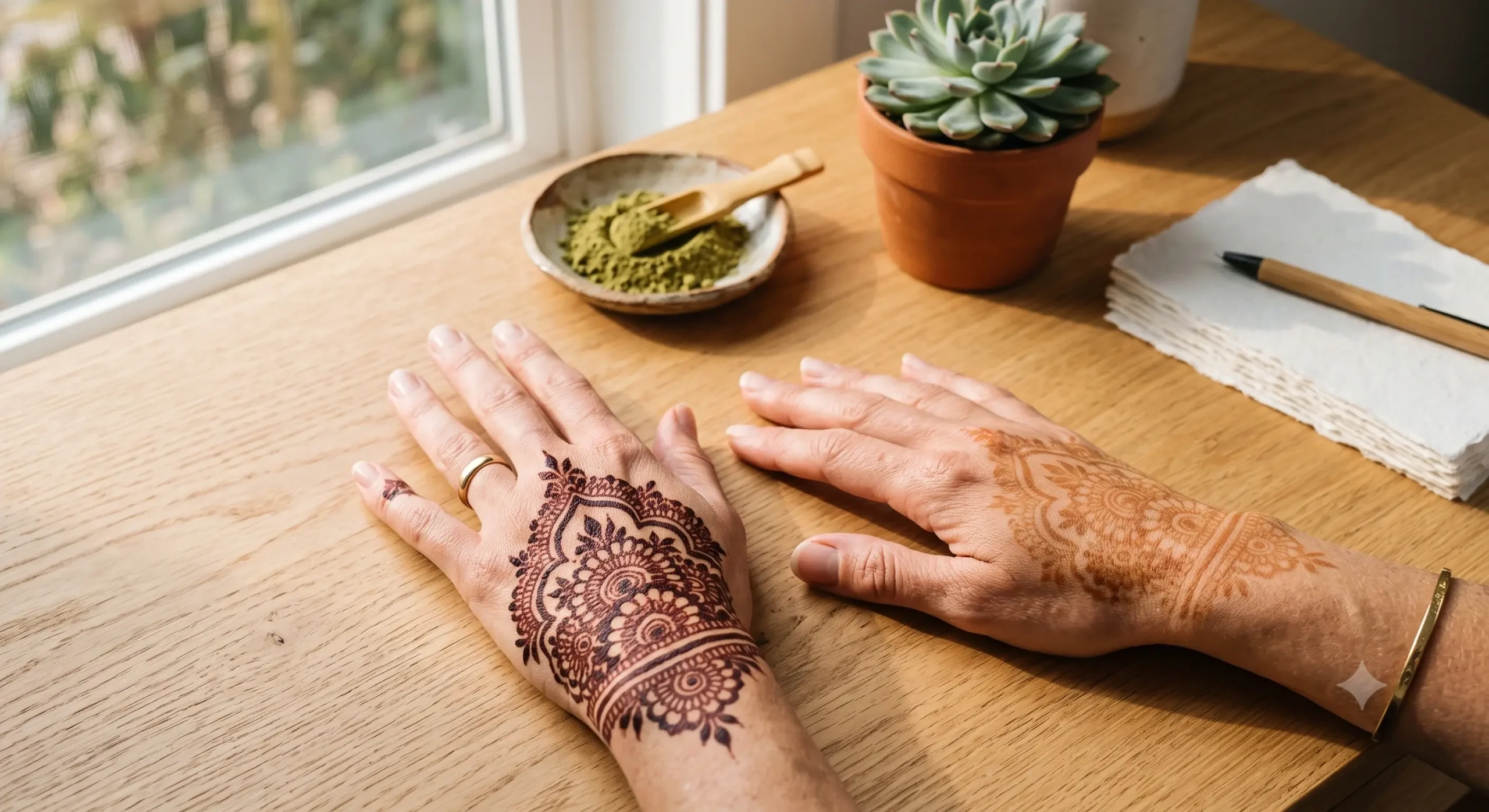
To understand longevity, we must first look at what is happening on a cellular level. Natural paste is derived from the crushed leaves of the Lawsonia inermis plant. This plant contains a natural dye molecule called lawsone, which binds to keratin, the tough protein in our skin, hair, and nails. When the paste is applied, this dye molecule migrates from the herbal mixture into the outermost layer of the skin, the stratum corneum.
Unlike synthetic dyes that sit on top of skin, lawsone binds physically to the cells. This binding process explains why natural henna cannot be simply washed off with soap and water once it has cured. The stain only disappears when your body naturally sheds those dyed skin cells. This cellular turnover cycle is a continuous process, which is why your design will gradually fade from a deep mahogany to a light caramel before vanishing entirely.
This biological reality is also why we urge clients to avoid synthetic alternatives. True botanical paste is always a greenish-brown color when wet, and it dries to a dark brown crust. It leaves an initial orange stain that oxidizes into a reddish-brown over forty-eight hours. Any paste that promises an instant jet-black stain or claims to dry in ten minutes is loaded with synthetic chemicals, most notably para-phenylenediamine (PPD). This chemical is a known allergen that causes severe skin reactions and chemical burns. When we discuss temporary body art, we are strictly referring to safe, plant-based formulations that respect the natural biology of your skin.
Is “black henna” ever safe?
No, synthetic black henna is never safe. Natural henna is never black. If a paste stains your skin jet-black instantly, it contains chemical sensitizers that can trigger permanent allergies to hair dyes and clothing colorants. Always ask your artist about their paste ingredients: a professional practitioner will gladly share their recipe, which usually consists of pure powder, lemon juice, sugar, and essential oils.
The Core Factors: What Controls how long does organic henna tattoo stay on skin?
The life cycle of a botanical stain is determined by a clear set of physiological and environmental variables. If you want to maximize the lifespan of your design, you must understand how these factors interact with your body.
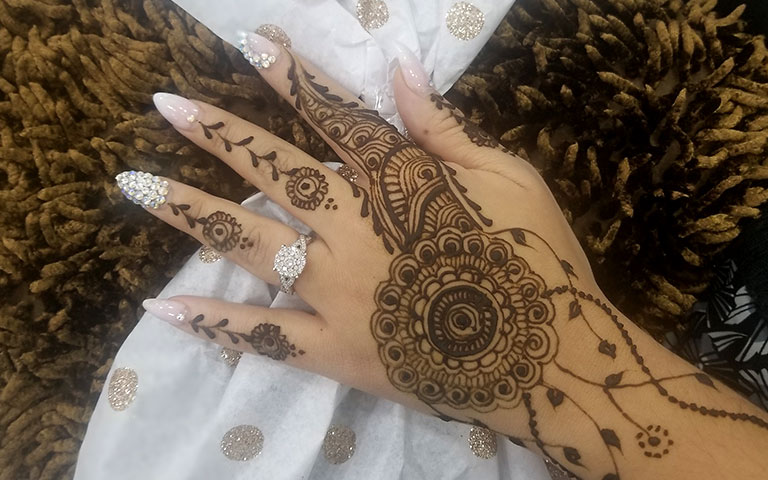
First, skin location is the single most influential factor. The stratum corneum, or the dead outer layer of skin, varies in thickness across the body. Your palms and soles have the thickest layers of keratin-rich skin, absorbing more dye and holding it longer. A design placed on your hand can easily last two full weeks, sometimes stretching to three. Conversely, the skin on your face, neck, and chest is incredibly thin and produces more natural oils. If you choose to get henna brows or a collarbone design, expect it to fade much faster, typically within five to seven days, due to rapid cell turnover and frequent washing.
Second, paste contact time is critical. The lawsone molecule requires time to migrate from the herbal paste into your skin cells. If you scrape the paste off after an hour, you will end up with a faint, brassy stain that disappears in a few days. Professional practitioners recommend leaving the paste on the skin for a minimum of six to eight hours, and ideally overnight. During this time, keeping the paste warm and slightly damp using a traditional lemon juice and sugar sealant will keep the dye active and flowing into the epidermis.
Third, your personal rate of epidermal regeneration plays a massive role. Younger individuals generally experience faster cell turnover than older adults, meaning their stains may fade slightly faster. Similarly, active lifestyles that involve heavy sweating, frequent workouts, or daily visits to the steam room will accelerate the shedding of skin cells. Every time you scrub your skin in the shower or rub it dry with a coarse towel, you are physically removing the dyed cells, directly reducing the lifespan of your body art.
Is skin type a determining factor?
Your skin type influences both the initial color depth and overall longevity. Oily skin rejects the dye molecule because natural sebum acts as a barrier, preventing lawsone from binding deeply with keratin. If you have oily skin, the paste may slip during application, and the resulting color will be lighter and fade faster. Dry skin, on the other hand, acts like a sponge, absorbing the paste eagerly. However, extremely dry or flaking skin will shed its outer layer unevenly, which can cause the design to look patchy as it fades. Preparing the skin with a gentle exfoliation before your appointment at Perfect Brows NYC is the best way to create an even canvas for the application.
Can you wash the design immediately after application?
Absolutely not. Water is the ultimate enemy of a developing stain. When you remove the dried paste, you must never use water. Instead, gently scrape the dried crust off using a dull edge, your fingernails, or a card. Once the paste is gone, you must keep the area completely dry for at least twenty-four hours. Exposure to water during this initial window stops the oxidation process in its tracks, leaving you with a faint orange stain instead of the deep reddish-brown that develops naturally over two days. If you must wash, apply a thin layer of natural oil, such as coconut or sesame oil, to act as a physical water barrier.
Extending the Life of Your Stain: Professional Aftercare Secrets
Maintaining a temporary tattoo in a bustling city like New York requires a deliberate daily routine. Between the subway friction, hand sanitizers, and seasonal weather shifts, your skin faces constant environmental stress. To keep your design looking sharp for as long as possible, you need to adopt a protective mindset.
The most effective strategy is the daily application of natural, non-petroleum oils. Avoid lotions that contain mineral oils, petroleum jelly, or artificial fragrances, as these can accelerate the breakdown of the stain. Instead, opt for pure organic oils like jojoba, coconut, or argan oil. Applying a light layer of oil before showering creates a hydrophobic barrier, shielding the dyed skin cells from water penetration and steam.
Pay close attention to your clothing choices as well. Tight sleeves, watch bands, and heavy leather straps can create friction against the skin, rubbing away the dyed cells prematurely. If you have a design on your wrist or forearm, wear loose, breathable fabrics during the first few days. When drying off after a bath or shower, always pat the skin gently with a soft towel rather than rubbing it vigorously.
Does swimming pool chlorine erase henna?
Chlorine is a powerful chemical bleaching agent designed to sanitize pool water, and it is exceptionally effective at stripping organic stains from the skin. Swimming in a chlorinated pool or soaking in a hot tub will noticeably fade your design within a single session. If you cannot avoid the pool, apply a thick layer of a natural, solid barrier cream like raw shea butter or soy wax over the design before entering the water. This will help minimize contact, though it is still best to keep the decorated area out of the water entirely if you want the artwork to survive your swim.
Achieve the Perfect Stain with Expert Application
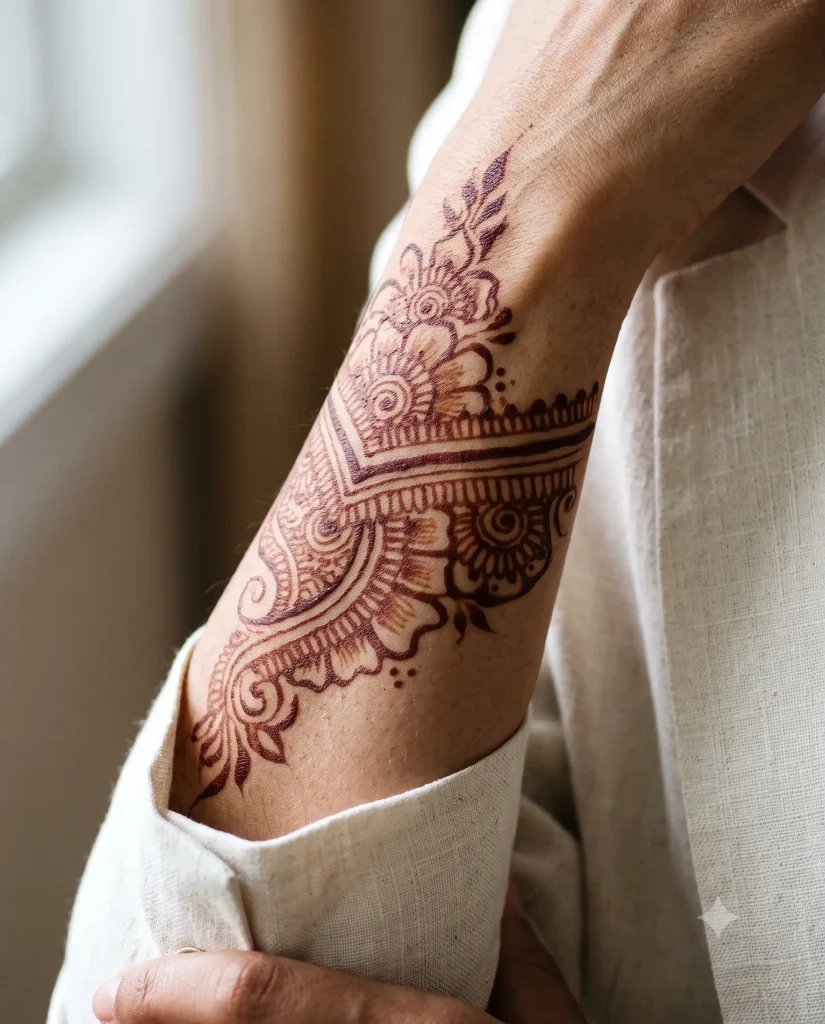
When it comes to temporary body art, the quality of the raw ingredients and the precision of the application make all the difference. At Perfect Brows NYC, we prioritize safety, skin health, and stunning results by using only pure, organic formulations free from harmful chemical additives. Whether you are prepping for a special celebration, a summer festival, or simply want to try a new look, our experienced specialists understand the nuances of skin preparation and design placement to ensure your art lasts. If you want a safe, natural, and beautifully executed stain, knowing how long does organic henna tattoo stay on skin helps you plan the perfect appointment before your next big event. Explore our professional brow and body services to see what our team can do for you. Book your next session at Perfect Brows NYC today and let us help you wear your art with confidence.
Frequently asked questions
Why is my henna tattoo orange at first?
When the dried paste is first removed, the underlying stain is always a bright orange. This is completely normal and indicates that the lawsone molecule has bound to your skin. Over the next twenty-four to forty-eight hours, this orange pigment will oxidize when exposed to air, darkening into a deep, rich reddish-brown.
Can I use lotion on my henna tattoo?
You can use lotion, but you must avoid formulas containing alcohol, mineral oil, petroleum, or synthetic fragrances. These ingredients can dry out the skin and accelerate the exfoliation of your dyed cells. Use natural oils like organic coconut oil, jojoba oil, or pure shea butter instead to protect the stain.
How do I safely remove a fading henna tattoo?
To safely speed up the removal of a fading design, you must accelerate your skin’s natural exfoliation process. Gently scrub the area using a body scrub, a loofah, or a mixture of olive oil and sea salt during a warm bath. Applying baby oil to the area, letting it sit for ten minutes, and wiping it away is also effective.
Does physical exfoliation remove henna instantly?
No, physical exfoliation will not remove the stain instantly, but it will cause it to fade much faster. Since the dye penetrates several layers of the stratum corneum, scrubbing will only remove the topmost layer of dyed cells. Aggressive scrubbing can irritate your skin, so it is best to use gentle, consistent exfoliation.
Is organic henna safe for sensitive skin?
Pure, organic henna paste made from natural plant powder, lemon juice, sugar, and high-quality essential oils is generally very safe for sensitive skin. However, because it contains natural plant compounds and essential oils, we always recommend a simple patch test twenty-four hours before a full application to ensure you do not experience any mild sensitivity.